
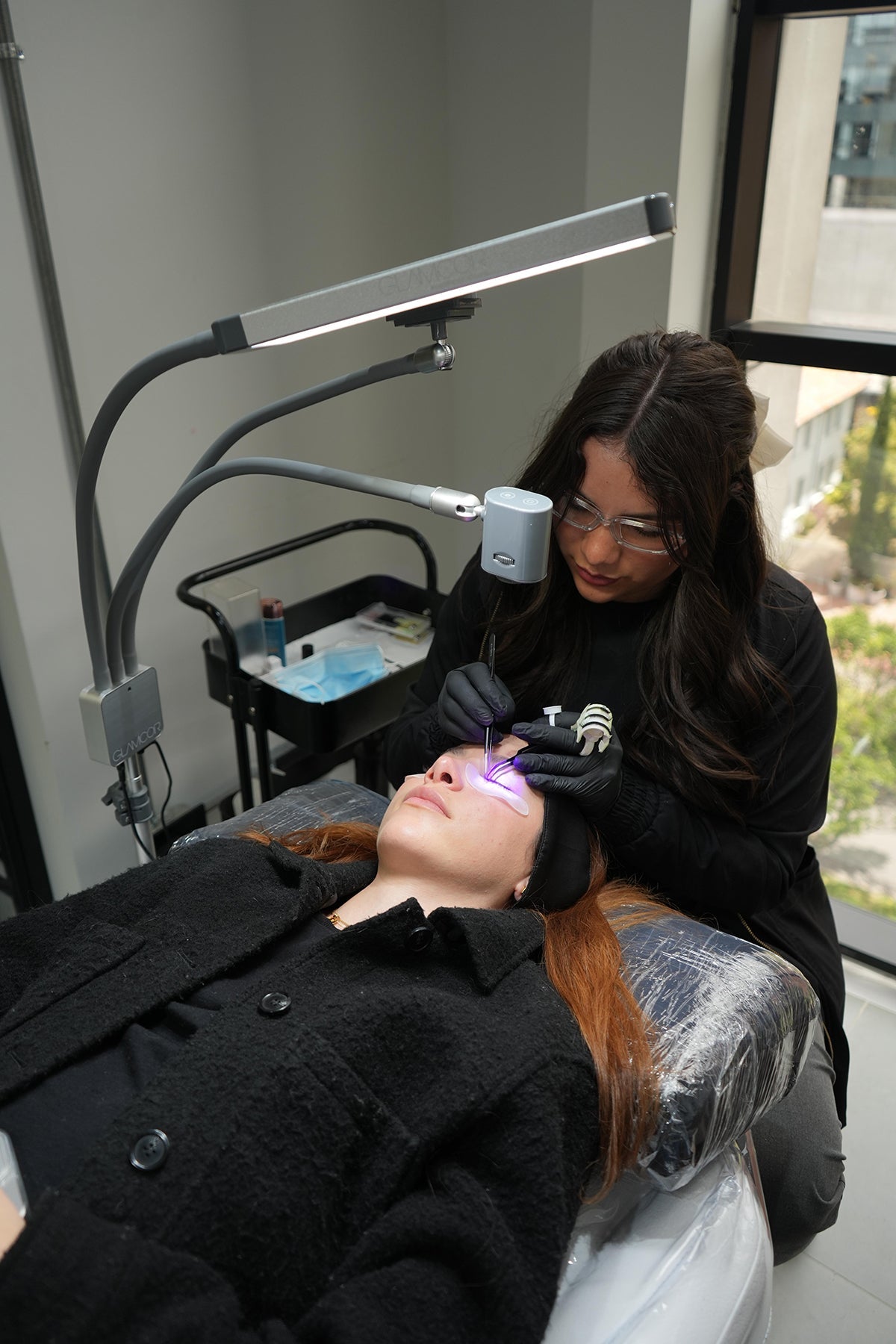
If you've been exploring the latest advances in eyelash extensions, you might have heard about LED UV gel lash extensions—a breakthrough that promises quicker application and longer-lasting results. In this guide, we'll walk you through what makes LED lash technology unique, how it works, and why it’s becoming a favorite among beauty professionals and enthusiasts alike. By understanding the technology and safety factors behind LED gel lashes, you can decide if this innovative treatment is right for you or your clients.
What Are LED UV Gel Lash Extensions?
LED UV gel lash extensions are a modern form of eyelash extensions that use a specialized gel adhesive cured by LED light to bond lashes rapidly and securely. Unlike traditional lash extensions that rely on cyanoacrylate glue which air-dries over time, LED lash extensions use a gel formula activated under a specialized LED lamp. This lamp emits a safe spectrum of ultraviolet (UV) and visible light to polymerize the gel adhesive almost instantly.
The appearance of LED lashes is often smoother and glossier, with a soft, natural feel compared to classic lashes. Because of the fast curing properties, clients experience less irritation and minimal risk of glue residue or clumping. This cutting-edge technology is considered revolutionary within the beauty industry, offering estheticians and lash artists a safer, more efficient way to achieve flawless lash sets.
How Do LED Eyelash Extensions Work?
The key to LED eyelash extensions lies in the polymerization process of the gel adhesive. When the gel glue is applied to the natural lash and the extension, the LED lamp is used to emit light that activates photo-initiators within the adhesive formula. This triggers a chemical reaction that hardens the gel instantly, securing the lash without waiting for it to air-dry.
Photo-initiators are compounds in the gel that respond specifically to the LED lamp’s light wavelength, ensuring rapid curing and stronger bonds. Unlike traditional lash glues which can take up to 30 seconds or more to dry, LED gel adhesives cure in just a few seconds, speeding up the entire extension procedure.
During the service, a lash artist applies each extension individually using sterile tweezers, then briefly directs the LED lamp over the glued lash for a few seconds before moving to the next. A final curing stage under the LED lamp solidifies the entire set for durability and longevity.
The Technology Behind LED and UV Light in Lash Extensions
It's important to understand that LED refers to the type of light source, while UV light is a specific range of wavelengths that contribute to the curing process. LED lamps used in lash salons emit a spectrum that includes primarily UVA light, which is safe and effective for curing adhesives.
The ultraviolet spectrum consists of UVA, UVB, and UVC rays. Most LED curing lamps emit UVA light with very low intensity and minimal penetration, unlike the harmful UVB and UVC rays.
Compared to older incandescent or fluorescent bulbs, LED lamps offer safer, longer-lasting, and energy-efficient light emission. They produce low heat, reducing client discomfort, and provide precise curing with less risk of adhesive degradation.
Many misconceptions paint UV light as universally dangerous; however, LED lamps are specially designed to emit safe UVA wavelengths at low intensities and for very short exposure periods during lash treatments, making them much safer than natural sunlight exposure in many cases.
Differences Between LED Lash Extensions and Traditional Eyelash Extensions
One of the main differences is the adhesive type: LED extensions use a gel adhesive cured by light, whereas traditional extensions rely on cyanoacrylate glues that air-dry naturally. This means curing times vary drastically—LED adhesive hardens in seconds, while classic glue may take longer, affecting appointment duration.
LED lashes provide superior water and sweat resistance. Aftercare is easier, with clients able to maintain lash appearance despite oily skin or humid environments.
The gel adhesive increases durability and strength, reducing the chance of dry glue balls or lumps at the lash root—a common issue with classic adhesives that can cause discomfort.
Overall, LED lashes offer enhanced comfort, faster treatment times, and improved longevity compared to traditional eyelash extensions.
Benefits of LED UV Gel Lash Extensions
LED UV gel lash extensions are celebrated for their longer-lasting wear and exceptional retention. The light-cured gel adhesive bonds firmly to natural lashes, standing up to active lifestyles, including workouts and water exposure, thanks to its waterproof and sweat-resistant properties.
These adhesives are typically hypoallergenic and release fewer fumes, making them ideal for clients with sensitive or easily irritated eyes. This low-fume formula significantly reduces allergic reactions commonly seen with traditional glues.
Quick curing times make appointments shorter and more efficient for both lash artists and clients. Also, the rapid hardening reduces the risk of glue contamination or flying particles that could irritate the eyes.
LED lash technology offers customized solutions for those with sensitive eyes or prior allergies, allowing for safer, more comfortable lash extensions without sacrificing durability.
Are LED Lashes Safe for Eyes? Addressing Health and Safety Concerns
Concerns about UV light exposure near the eyes are common when discussing LED lash extensions. The good news is that the level of UV light emitted by LED lamps used for lash curing is very low, and the exposure time is minimal—typically just seconds per lash and a few minutes for an entire set.
Scientific studies have shown that the UVA rays emitted by these LED devices are significantly less intense than natural sunlight, and the indirect exposure is limited by protective measures such as hydrogel eye pads and eye shields.
Professional lash salons use low-wattage LED lamps specifically designed for eyelash extension glue curing. They adhere to strict safety standards to minimize UV risks.
Precautions include the use of protective eye pads, disposable shields, and in some cases, UV protective glasses for clients sensitive to light.
Those with extreme photosensitivity, certain medications, or specific medical conditions like epilepsy might want to avoid LED lash treatments or consult a healthcare provider beforehand.
Patch tests and detailed client consultations ensure that potential adverse reactions are minimized, making LED lash extensions a safe and popular option for most individuals.
Understanding LED Extension Glue and Its Safety Profile
LED extension glue is a specially formulated gel adhesive that contains cyanoacrylate combined with photo-initiators, which respond to LED light to cure the glue rapidly. This unique composition differs from traditional lash adhesives by requiring controlled light exposure to harden rather than air-drying.
Because of the light-triggered curing process, these glues minimize the release of fumes and airborne irritants, reducing discomfort for both clients and lash technicians.
Most LED gel adhesives are hypoallergenic and designed for sensitive eyes, lowering the risk of allergic reactions or redness compared to conventional glues.
Quick curing times reduce contact with uncured adhesive, which is often the cause of eye irritation.
It’s crucial to use professional-grade, tested LED gel adhesives from reputable suppliers to ensure safety and avoid adverse effects commonly associated with unregulated products.
Step-by-Step Process of Applying LED UV Gel Lash Extensions
The application begins with thorough client preparation: natural lashes are cleansed, and oils are removed using specialized lash cleansers. This ensures optimal adhesive bonding.
Hydrogel eye pads are placed under the eyes to protect sensitive skin and shield the eyes from light exposure. Additional taping may secure lower lashes.
The lash artist customizes the lash design, selecting lengths and curls tailored to the client’s preferences and eye shape.
Each natural lash is isolated carefully using precision tweezers. The LED gel adhesive is applied neatly to the extension before isolating and placing it onto the natural lash.
Once attached, a short burst of LED light targets the lash to cure the glue instantly. This process is repeated lash by lash.
At the end, a final curing session ensures the entire set is fully hardened for maximum retention.
Thanks to the rapid curing, the total session time is typically shorter than traditional lash appointments.
Aftercare Tips for LED UV Gel Lash Extensions
While LED adhesive cures quickly, it’s important to avoid water, steam, or sweating for at least 24 hours post-application to allow the glue to fully set.
Gentle cleansing with oil-free products helps maintain lash integrity without weakening the adhesive bond.
Avoid using oil-based skincare or makeup removers around the lash line, as oils can break down the adhesive.
Clients should avoid rubbing or pulling eyelashes to prevent premature lash fallout.
Removal or refills are usually needed every 3 to 4 weeks, depending on natural lash growth and care. Signs for touch-ups include noticeable gaps or significant lash loss.
Who Should Consider LED UV Gel Lash Extensions?
Ideal candidates include individuals with oily skin or naturally sensitive eyes, as the hypoallergenic and low-fume formula of LED glue reduces common irritation.
Those with active lifestyles seeking water-resistant, sweat-proof lashes will benefit from LED extensions.
Clients desiring longer-lasting lashes with less frequent touch-ups are perfect for this technology.
However, people with photosensitivity, epilepsy, or undergoing certain medical treatments such as cancer therapy should consult a physician before opting for LED lash extensions.
Common Mistakes and How to Avoid Them with LED Lash Extensions
Inadequate lash preparation can compromise adhesive bonding, leading to premature lash fallout.
Proper curing duration is critical—insufficient LED light exposure may cause weak adhesion; overexposure can damage natural lashes.
Using excessive glue leads to dry glue balls or lumps, which are uncomfortable and unsightly.
Utilizing unregulated products or untrained technicians risks client safety and lash damage.
Clients should always seek vetted lash extension providers with specific training in LED technology for optimal results and safety.
LED UV Gel Lash Extensions and Regulatory Considerations
Currently, there is a lack of specific regulations governing LED lash adhesives and curing devices. However, professional salons are expected to comply with general esthetic and safety standards.
Salons should stay informed on local cosmetology board rules and maintain appropriate insurance coverage.
Clients are advised to verify technician certification and ensure products used meet safety standards through reputable suppliers.
Where to Buy Quality LED UV Gel Lash Extension Kits and Equipment
Purchasing from reputable suppliers specializing in professional LED lash systems guarantees product safety and efficacy.
Kits should come with comprehensive training and certification to ensure proper application.
Avoid unverified, low-cost imports that lack regulatory oversight and may cause harm.
Consider suppliers offering customer support and warranties, which help salons maintain high-quality lash services.
Maximizing Your LED Lash Experience with Professional Tools
Choosing the right LED vanity mirrors and light kits can enhance precision during lash application and aftercare. Our range of LED lighting products offers adjustable dimmable settings and low heat generation for comfort and control. Portable, dual-voltage designs make them ideal for traveling lash artists and beauty professionals. Integrated Bluetooth technology and magnetic phone clips further streamline your workflow, delivering flawless lash extensions every time.
Share:
Best Professional LED Light machine: Expert Reviews & Buying Guide 2026